

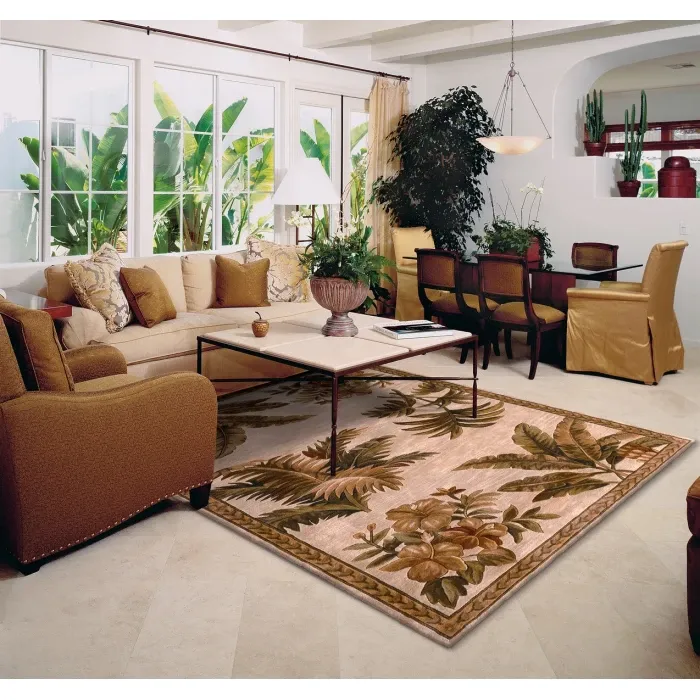
A room makeover often begins with furniture, paint, or lighting, but starting with the rug can make the entire process easier. A rug already brings together color, pattern, texture, and scale, which gives you a strong foundation for the rest of the room. Instead of choosing every element separately, you can use the rug as a guide for furniture, wall colors, curtains, cushions, and decorative accents. This approach helps create a more connected and polished space without making the design feel too matched or overly planned.
Start With the Rug Before Choosing Other Elements
When exploring Jaipur living rugs, think of the rug as more than a finishing touch. It can become the starting point for the entire room. Look closely at the main colors in the design. Choose one dominant shade for larger elements and one or two secondary tones for smaller accents. This gives you a clear palette to work with and makes later decisions much easier. A rug with neutral shades can support a calm and flexible interior. A more colorful rug can inspire the room’s personality and become the main visual feature.
Build a Color Palette From the Floor Up
Once you have chosen the rug, use its colors to guide the rest of the décor. You do not need to repeat every shade exactly. Instead, choose a few tones that work well together. For example, if the rug includes cream, blue, and warm brown, you might use cream on the walls, blue in cushions, and warm wood tones in furniture. This creates harmony without making the room look too coordinated.
A simple approach is to divide colors into three roles:
- a main color for larger surfaces
- a secondary color for furniture or textiles
- an accent color for smaller decorative details
This keeps the room balanced and prevents too many colors from competing.
Let the Rug Influence Furniture Style
A rug can also help determine the style of furniture that works best in the space. A bold geometric design may suit clean, modern furniture. A softer or more traditional pattern can work well with classic or transitional pieces. If the rug has a lot of detail, simpler furniture can help create balance. The goal is not to make every item match. It is to make the room feel connected. Look at the lines, shapes, and overall mood of the rug. These details can guide your choice of sofa style, side tables, chairs, and even lighting.
Use Pattern Without Making the Room Feel Busy
For homeowners comparing Kas rugs, pattern can be one of the most useful design tools. It adds character, but it should be balanced carefully with the rest of the room. If the rug has a strong pattern, keep other large surfaces more restrained. Plain curtains, simple upholstery, and clean wall finishes can allow the rug to stand out. If the rug is more subtle, you can introduce pattern through cushions, artwork, or decorative accessories. The key is to choose one main visual feature and let the rest of the room support it.
Pay Attention to Texture
Color and pattern are important, but texture can make a room feel much more complete. A rug already adds softness and depth to the floor. You can build on that by mixing other textures throughout the room. Consider wood, linen, leather, metal, glass, or woven fabrics. This is especially useful in neutral interiors. When colors are simple, texture prevents the space from feeling flat.
You can create contrast by pairing:
- soft rugs with smooth furniture
- woven fabrics with polished surfaces
- warm wood with metal accents
- plush cushions with clean-lined seating
These small differences help the room feel layered and more interesting.
Arrange Furniture Around the Rug
Once the design direction is clear, arrange the furniture so the rug feels like part of the room rather than an afterthought. In a living room, the rug should help define the seating area. In a dining room, it should support the table and chairs. In a bedroom, it can frame the bed and add softness around it. The furniture does not need to sit completely on the rug in every room. What matters is that the placement feels intentional and balanced. Measure the space before finalizing the layout so the rug and furniture work together comfortably.
Add Finishing Details Last
Accessories should come at the end of the makeover, not the beginning. Once the rug, furniture, walls, and lighting are in place, look at the room as a whole. Then add cushions, artwork, plants, lamps, and decorative objects only where they are needed. This helps prevent clutter and keeps the room focused. Try to repeat one or two colors from the rug in small details around the room. This creates visual consistency without making the design feel forced.
Conclusion
Starting a room makeover with the rug can simplify many decorating decisions. It gives you an immediate direction for color, pattern, furniture, texture, and layout. Instead of treating the rug as the final accessory, use it as the foundation of the design. From there, build the room gradually and allow each element to support the overall look. A thoughtful rug choice can make the entire space feel more connected, stylish, and intentional. When the floor provides a strong design base, the rest of the room becomes much easier to bring together.